Your journey to Bosnia and Herzegovina
Nestled between Croatia, Serbia, and Montenegro, Bosnia and Herzegovina is a still-unknown destination that fascinates with its natural and cultural richness. This authentic country offers a subtle blend of wild mountains, green valleys, preserved Ottoman villages, and cities marked by history.
From Sarajevo, a true crossroads of civilizations, to Mostar and its famous rebuilt bridge, through the Kravice waterfalls or the landscapes of Sutjeska National Park, each stop reveals a unique facet of the Balkans. It's also a paradise for lovers of local cuisine, hiking, skiing, or sincere human encounters.
With its warm atmosphere, its cuisine among the best in the region, and its multicultural heritage, Bosnia and Herzegovina promises a journey as exotic as it is moving.
View all our trips

View all our trips
Bosnia and Herzegovina: an unexpected gem blending wild nature, multicultural heritage, and authentic Balkan charm
Sarajevo, the Jerusalem of Europe
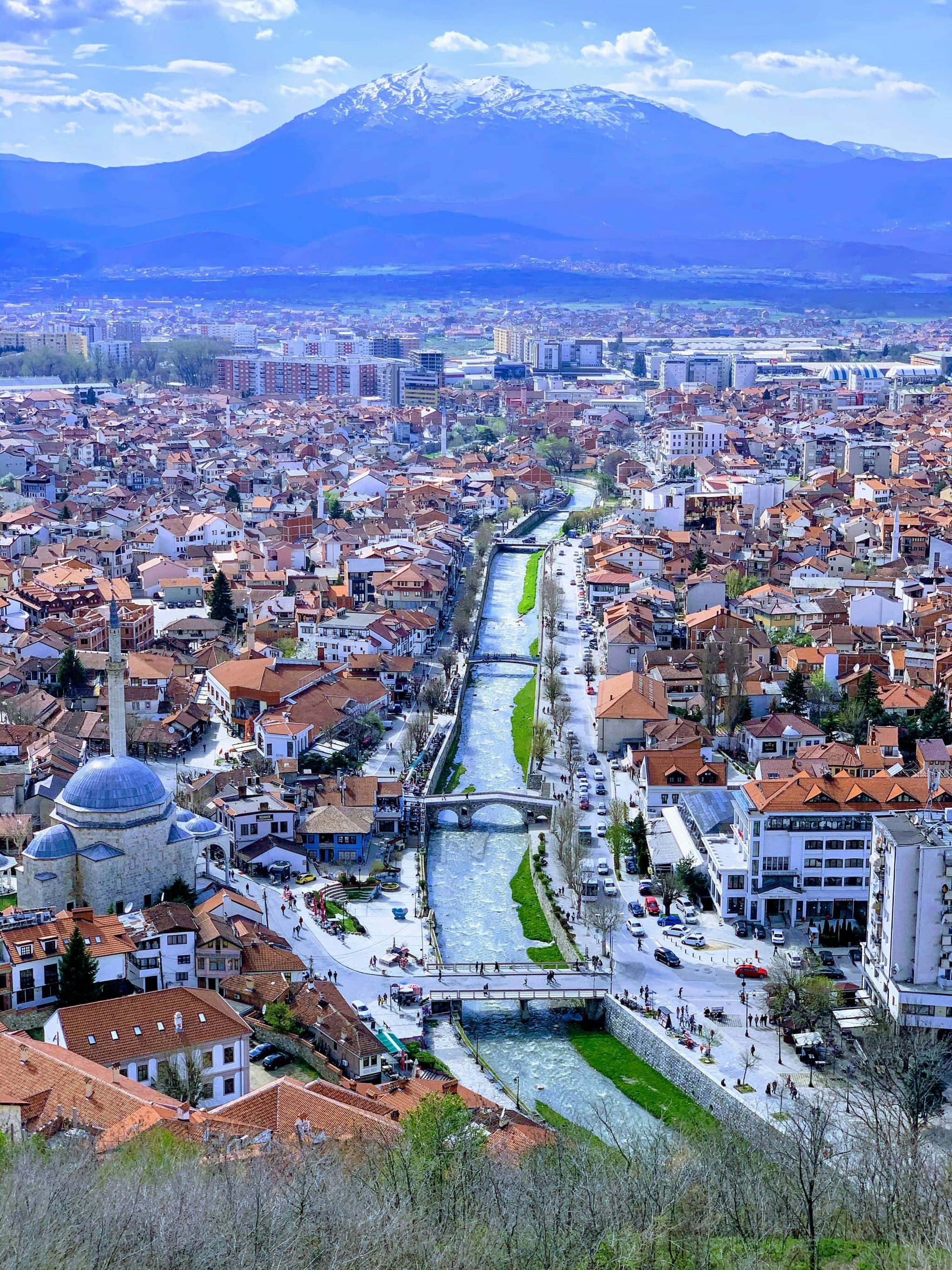
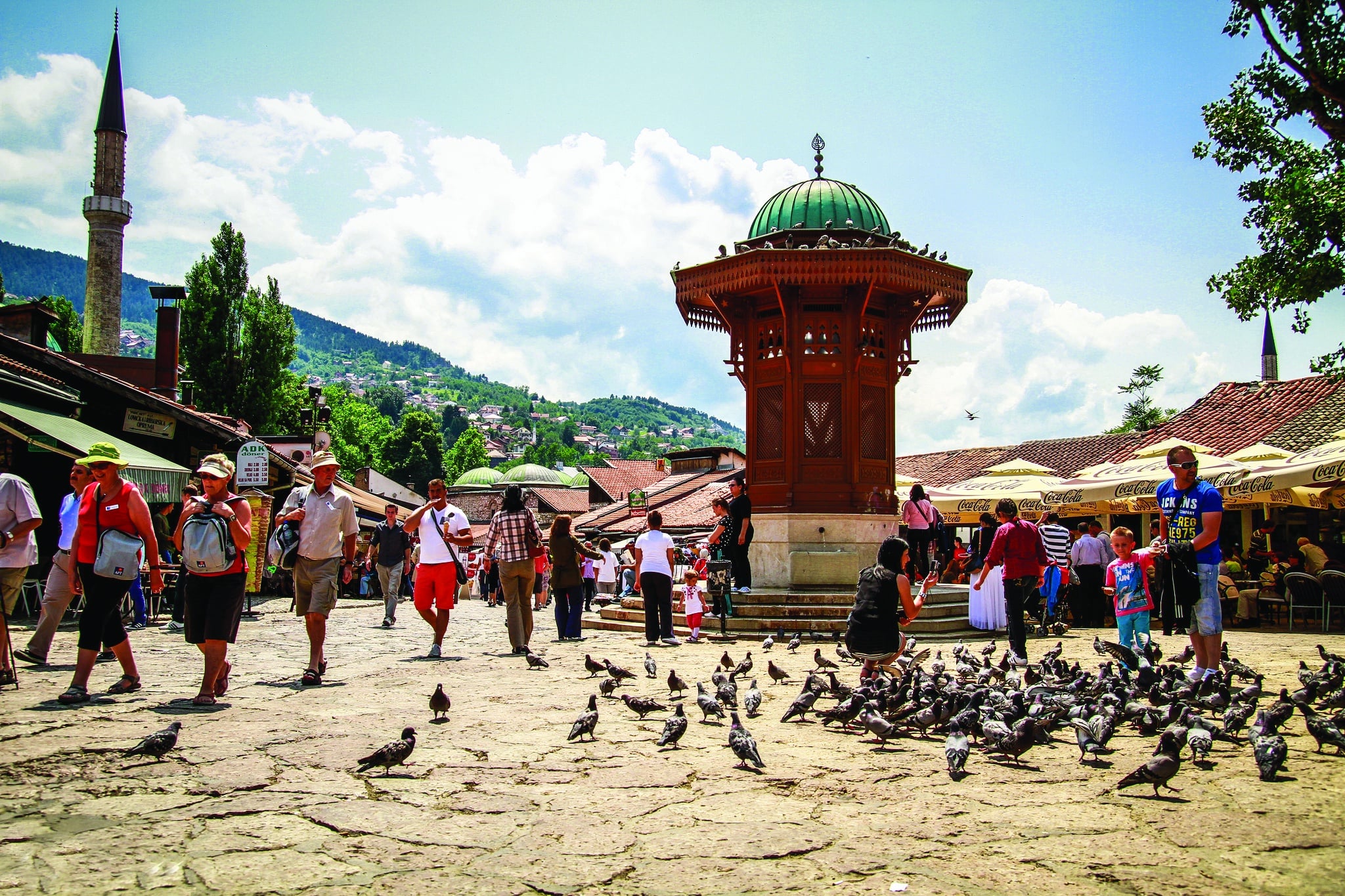
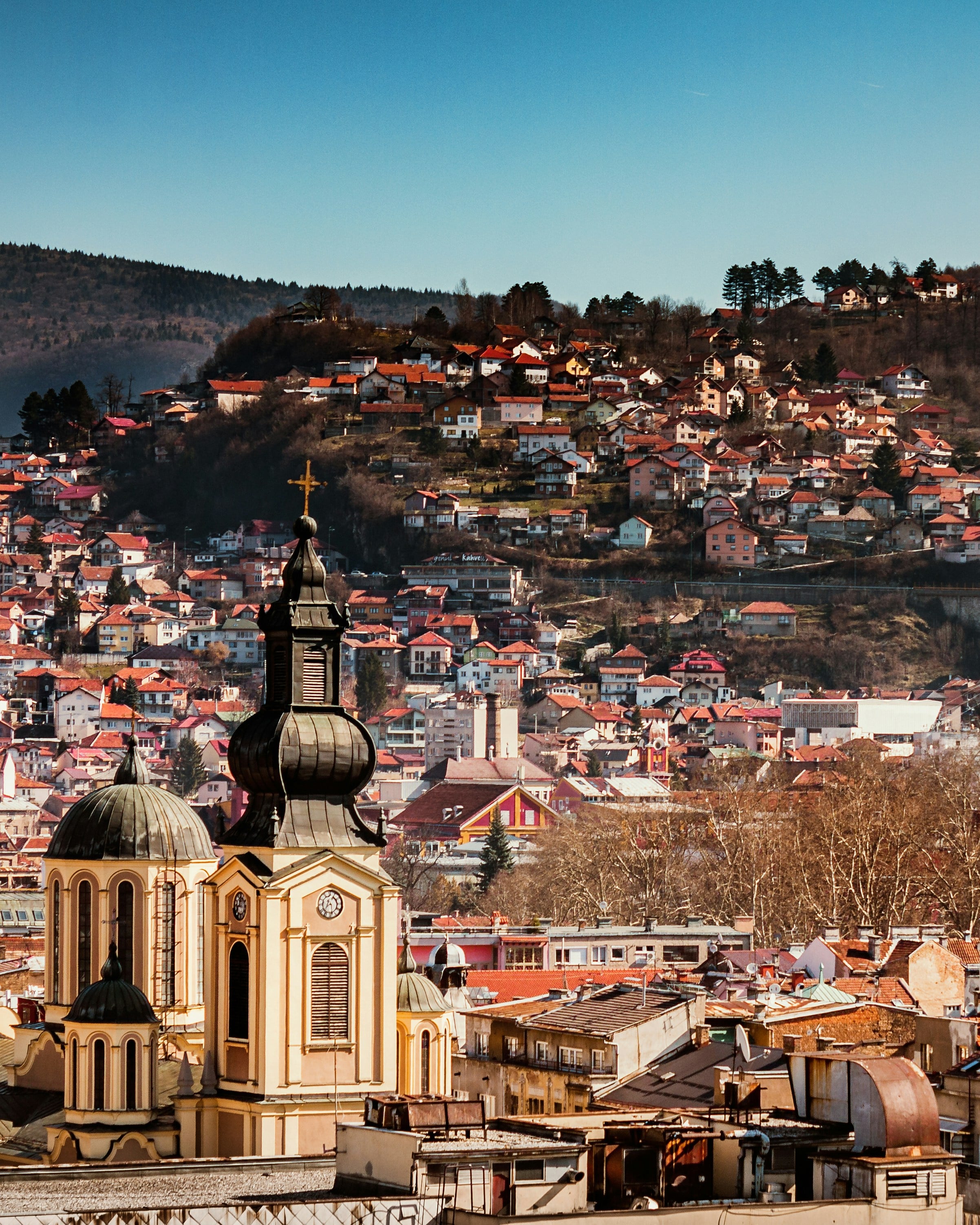
The capital of Bosnia and Herzegovina, Sarajevo is one of the most fascinating cities in Europe. At the crossroads of cultures and religions, it embodies the rich multicultural past of the Balkans. This is where history has often turned: the 1914 assassination that triggered World War I, the 1984 Winter Olympics, and the longest siege in modern history in the 90s. Despite these significant events, Sarajevo today maintains a peaceful atmosphere, authentic charm, and vibrant cultural energy.
An affordable destination
Traveling in Bosnia and Herzegovina means enjoying excellent value for money. Whether for accommodation, dining, or transportation, prices remain very accessible, even in major cities. A full meal costs about €4, and a beer rarely more than one euro. The country is also ideal for camping enthusiasts, with numerous natural sites, often free or very inexpensive.

A true coffee culture
In Bosnia and Herzegovina, coffee is much more than a drink—it's an institution. Whether for chatting, meeting up, or simply savoring the moment, cafes are omnipresent. While many now opt for Italian espresso, the true Bosnian coffee, served in a small copper pot called džezva, remains an essential ritual. Its taste, similar to Turkish coffee, is enriched by a thick foam and often accompanied by a piece of Turkish delight.
Mostar, between tradition and modernity
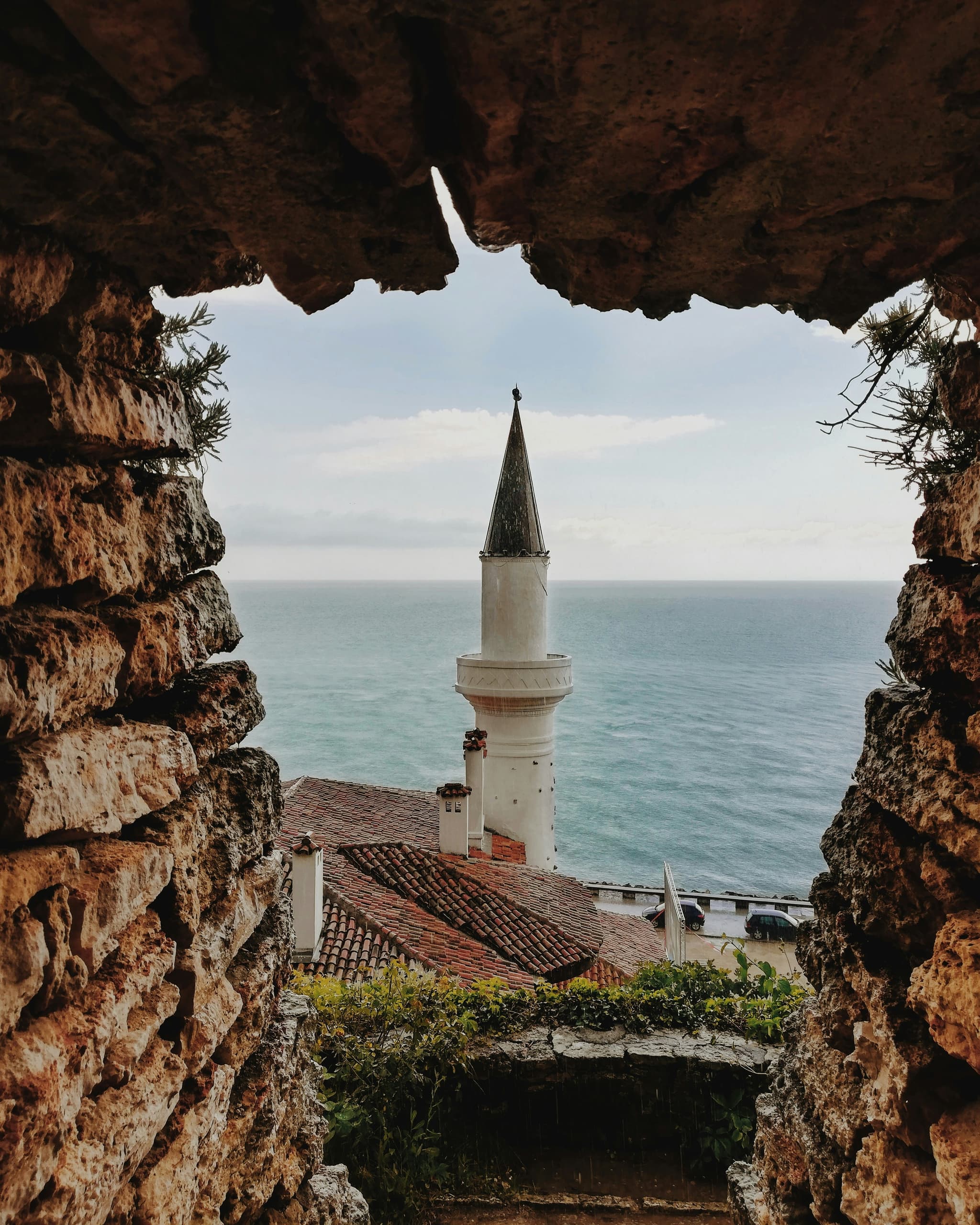
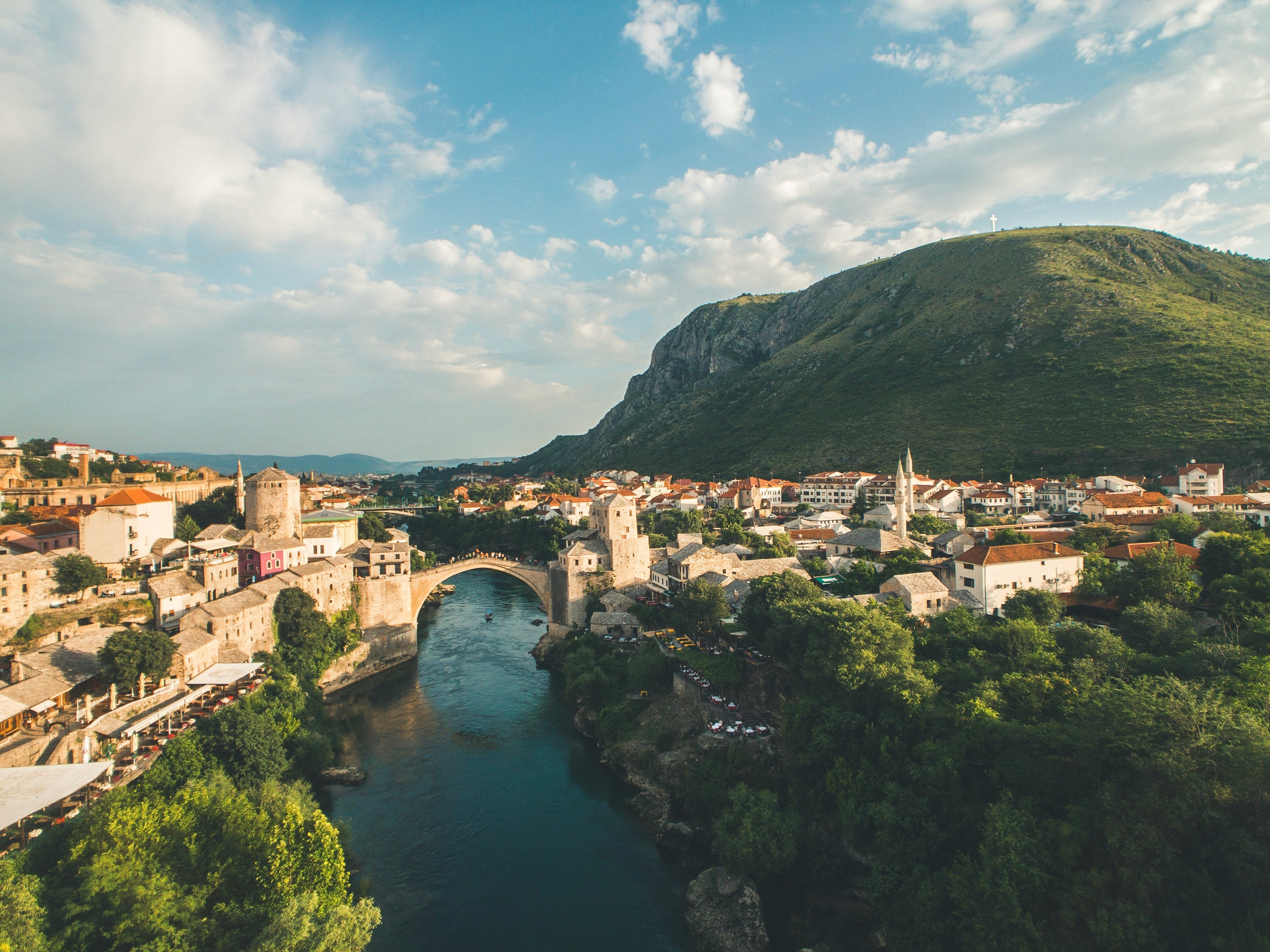
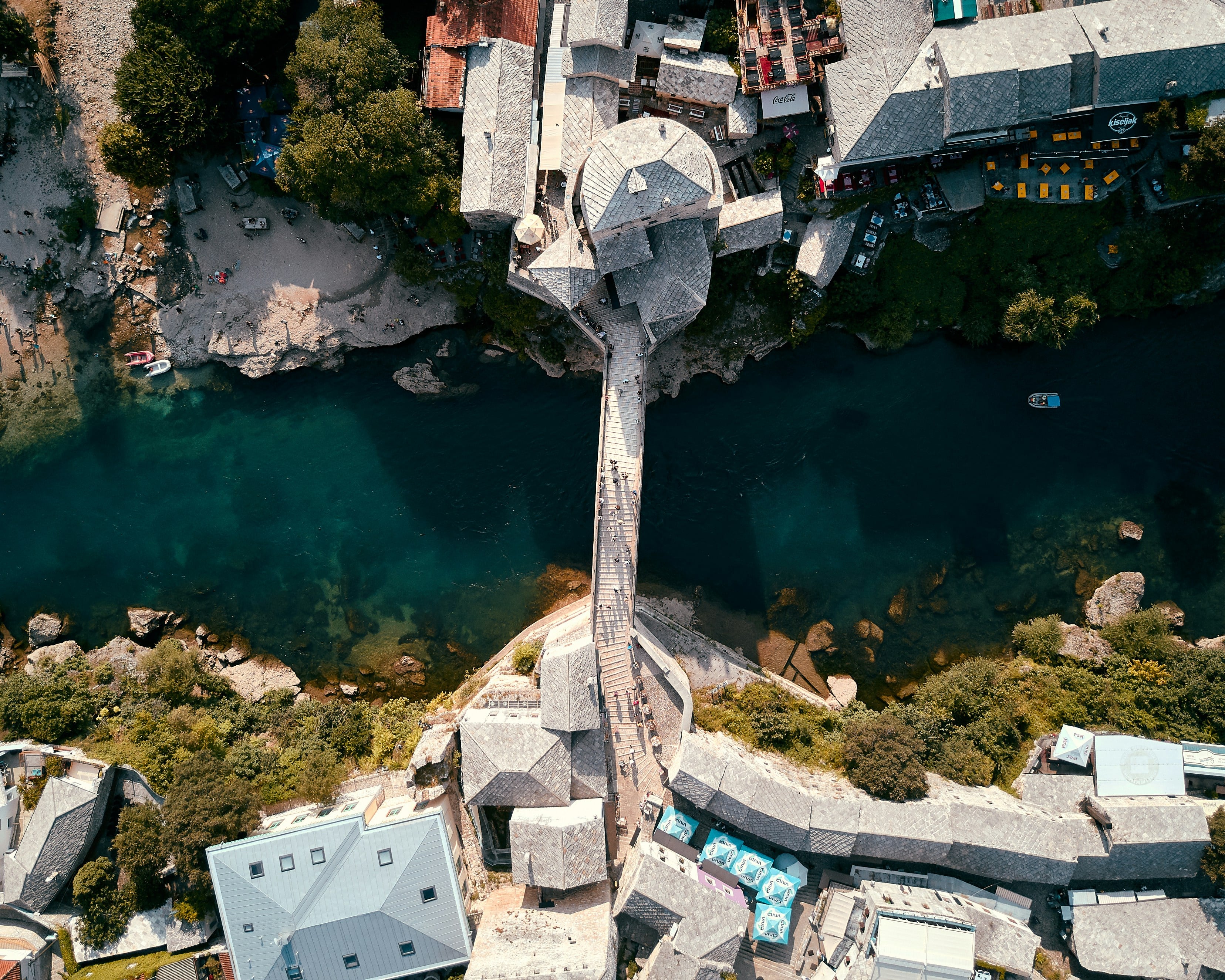
Mostar is undoubtedly the iconic image of Bosnia and Herzegovina. Its famous stone bridge, the Stari Most, rebuilt after the war, attracts thousands of visitors each year. But beyond the clichés, Mostar reveals an astonishing quality of life. Between its cobbled streets, Ottoman houses, and daring divers jumping into the Neretva, this city has managed to preserve its authenticity while opening up to the world.
Spectacular nature
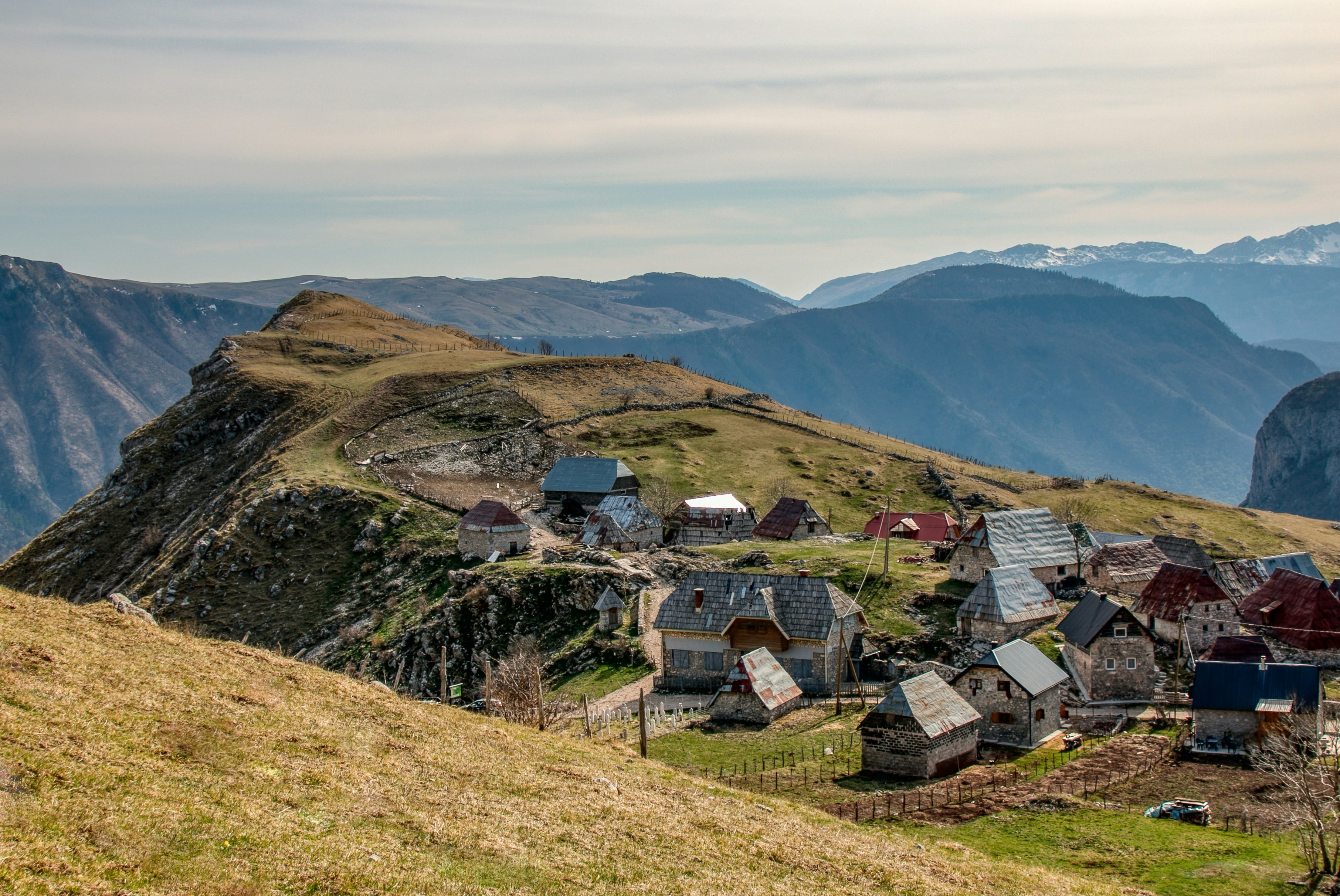
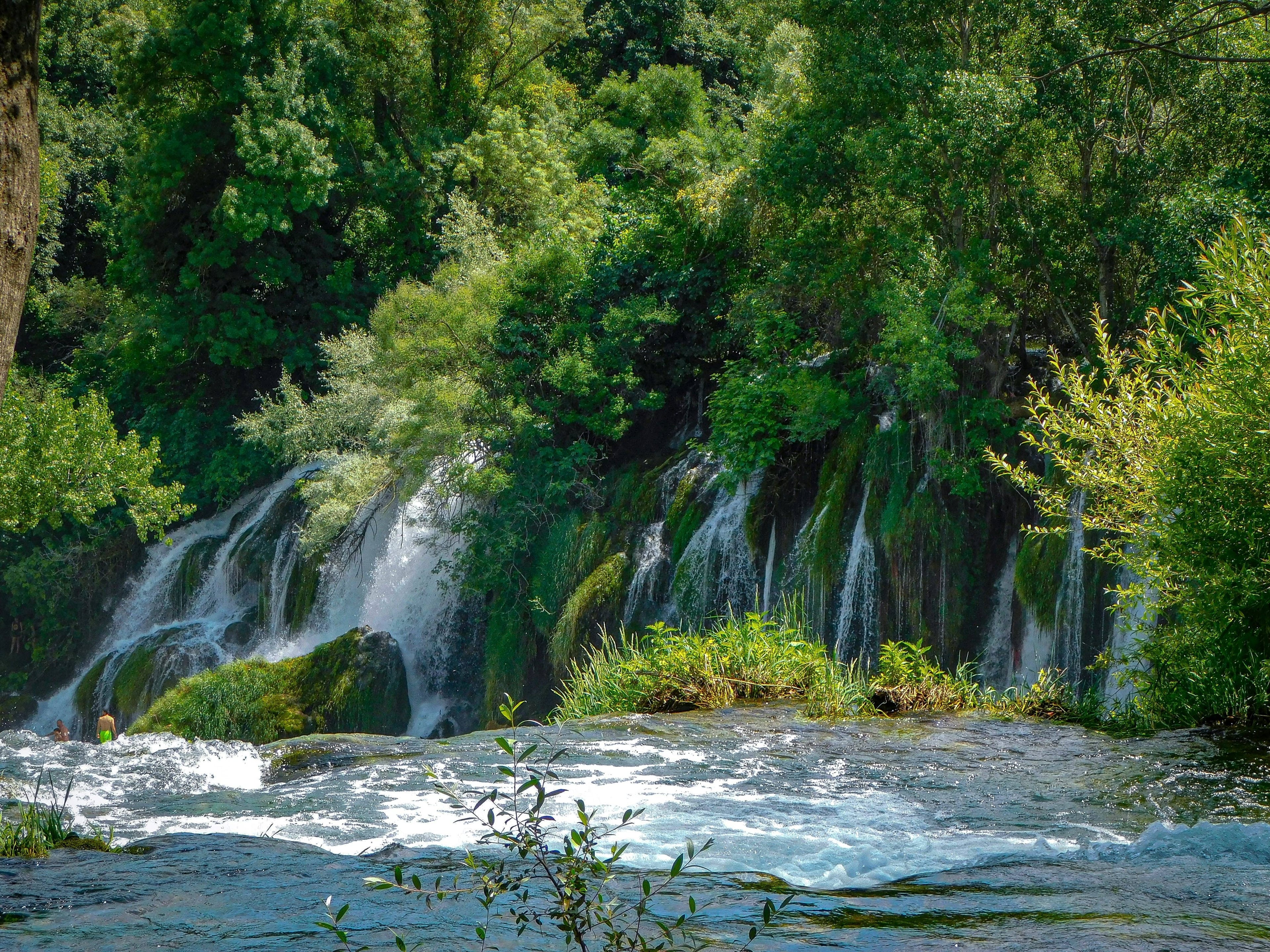
With its deep forests, majestic mountains, emerald rivers, and impressive waterfalls, Bosnia and Herzegovina is a still-preserved natural paradise. It's one of the richest countries in biodiversity in Europe, home to numerous endemic species. Whether you're a hiking enthusiast, rafting lover, or simply seeking breathtaking landscapes, this country will fulfill your desires.
Travel guide to Bosnia-Herzegovina
When to visit?
The best months to visit Bosnia and Herzegovina are from March to May and from October to November. The climate is pleasant and the landscapes are beautiful in both spring and autumn.
Entry formalities
An ID card is sufficient for Schengen area nationals, but a passport is recommended to obtain an entry date stamp. Stay limited to 3 months.
Health and safety
No major health risks. However, it is important to stay on marked trails, as some rural areas may still contain undetonated mines.
Flights and tickets
From Paris, the average price of a plane ticket to Bosnia and Herzegovina ranges between €180 and €250, depending on the season and booking anticipation.
Time difference
No time difference with France. Bosnia and Herzegovina is located in the UTC+1 time zone, like most Western European countries.
Spoken languages
Bosnian, Croatian, and Serbian are the three official languages of the country, all derived from Serbo-Croatian. English is understood in tourist areas.
Electricity & communication
Plugs and voltage identical to France (230V). Internet is accessible in most accommodations and cafes, although the speed may be slow.
Currency and cost of living
The currency is the convertible mark (BAM or KM), pegged to the euro: €1 = 1.96 KM. Euros are sometimes accepted but change is given in KM. Bosnia and Herzegovina is one of the most affordable destinations in the Balkans: a meal in a local restaurant costs €6 to €12. Cards are accepted in cities; bring cash elsewhere.
Getting around
Intercity buses connect the main towns well (Sarajevo, Mostar, Banja Luka). The Sarajevo–Mostar train (about 2 hours, two departures a day) is one of the most beautiful rides in the Balkans, along the Neretva river. For villages, waterfalls and mountain areas, renting a car remains the most practical option. If you arrive with a rental car from a neighbouring country, check that it is allowed to cross the border.
FAQ: Bosnia-Herzegovina
What is there to see in Bosnia and Herzegovina besides Sarajevo and Mostar?
Sarajevo and Mostar are must-sees, but the country has much more: the Kravica and Jajce waterfalls, the Ottoman village of Počitelj, Blagaj and its sacred spring, Sutjeska National Park and emerald rivers ideal for rafting. About ten days makes a great round trip from Sarajevo.
Should I worry about landmines when hiking?
A few areas are still affected by mines left from the war, mostly off the trails, in isolated and signposted sectors. On our itineraries the rule is simple: stay on marked paths and developed sites, as our travel books remind you. Our guided hikes are led by local guides who know the terrain perfectly.
Is the country suitable for a family trip?
Absolutely. History is easy to share with children in Sarajevo and Mostar, and nature offers plenty to burn off energy: swimming at waterfalls, gentle rafting, mountain walks. The welcome is particularly warm.
What documents do I need to enter Bosnia and Herzegovina?
A valid national ID card or passport, with no visa for stays under 90 days. Avoid an ID card whose printed expiry date has passed: refusals have been reported at the border. Any foreigner staying more than three days must be registered with the police within 48 hours; in practice, your accommodation takes care of it.
How do I get to Bosnia and Herzegovina?
Sarajevo has an international airport connected to major European cities, often with a stopover. Many travellers also arrive via Dubrovnik or Split in Croatia, about two to three hours’ drive from Mostar: a good way to combine both countries.
Discover our other destinations